PaymentsJournal
No Result
View All Result
SIGN UP
  • Commercial
  • Credit
  • Debit
  • Digital Assets & Crypto
  • Digital Banking
  • Emerging Payments
  • Fraud & Security
  • Merchant
  • Prepaid
PaymentsJournal
  • Commercial
  • Credit
  • Debit
  • Digital Assets & Crypto
  • Digital Banking
  • Emerging Payments
  • Fraud & Security
  • Merchant
  • Prepaid
No Result
View All Result
PaymentsJournal
No Result
View All Result

Visa Contactless Cards Spoofed to Ignore Pin Request. Fix “Only” Needs a POS Update!

By Tim Sloane
September 3, 2020
in Analysts Coverage, Contactless, Credit, Debit, Fraud & Security, Security
0
0
SHARES
0
VIEWS
Share on FacebookShare on TwitterShare on LinkedIn
COVID-19 drives further growth in contactless payments

COVID-19 drives further growth in contactless payments

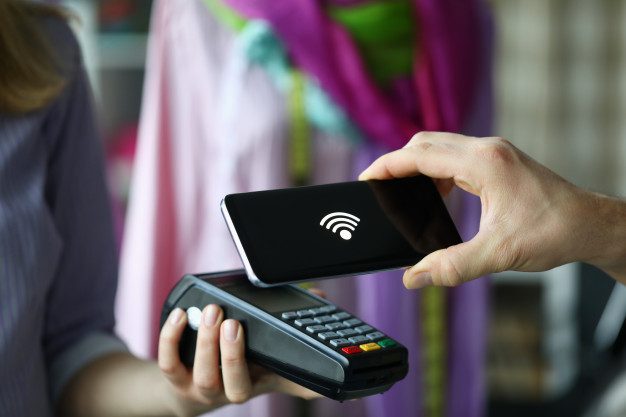
Scientists have discovered a glaring weakness in the Visa implementation of the EMV Contactless specification. The weakness allows fraudsters to bypass the need to enter a correct PIN on a lost or stolen card. The same weakness was not discovered in the Mastercard, American Express, or JCB implementations, which were also tested by the researchers. The scientists suggested a “simple fix” which requires that POS software be updated, which in real life is rarely simple.

An article from Tech Explorist covers the topic further:

“This vulnerability enables fraudsters to obtain funds from cards that have been lost or stolen, although the amounts are supposed to be validated by entering a PIN code.

This vulnerability empowers fraudsters to acquire assets from cards that have been lost or stolen, even though the amounts should be approved by entering a PIN code. Toro puts it basically: “To all expectations and purposes, the PIN code is ineffectual here.”

Other companies, such as Mastercard, American Express, and JCB, don’t use the same Visa protocol, so these cards are not affected by the security loophole. However, the flaw may also apply to the cards issued by Discover and UnionPay, which use a protocol similar to Visa’s.

Analysts had the option to exhibit that it is conceivable to exploit the vulnerability in practice, even though it is a genuinely unpredictable cycle. They originally built up an Android application and installed it on two NFC-enabled cell phones. This permitted the two devices to peruse information from the credit card chip and trade data with payment terminals. Unexpectedly, the analysts didn’t need to sidestep any special security features in the Android working framework to install the app.

The primary cell phone is utilized to scan the vital information from the charge card and move it to the second phone to get unapproved funds from a third-party credit card. The subsequent phone is then used to debit the amount at the checkout, the same number of cardholders do these days. As the application declares that the client is the credit card’s authorized user, the vendor doesn’t understand that the transaction is fraudulent. The pivotal factor is that the app outmaneuvers the card’s security system. Even though the sum is over the limit and requires PIN confirmation, no code is requested.”

Overview by Tim Sloane, VP, Payments Innovation at Mercator Advisory Group

0
SHARES
0
VIEWS
Share on FacebookShare on TwitterShare on LinkedIn
Tags: American ExpressContactlessEMVMastercardVisa

    Get the Latest News and Insights Delivered Daily

    Subscribe to the PaymentsJournal Newsletter for exclusive insight and data from Javelin Strategy & Research analysts and industry professionals.

    Must Reads

    cross-border payments

    Solving for Fraud in Cross-Border Payments Requires Better Counterparty Verification

    February 12, 2026
    agentic commerce

    Demystifying the Agentic Commerce Enigma

    February 11, 2026
    payment gateways

    How Payment Gateways for Businesses Can Help You Offer Your Customers More Options

    February 10, 2026
    Reserve Bank of India (RBI) Extends Mandate for Tokenization to June '22

    Late Payments? Governments Are Taking Action

    February 9, 2026
    ai phishing

    The Fraud Epidemic Is Testing the Limits of Cybersecurity

    February 6, 2026
    stablecoins b2b payments

    Stablecoins and the Future of B2B Payments: Faster, Cheaper, Better

    February 5, 2026
    Payment Facilitator

    The Payment Facilitator Model as a Growth Strategy for ISVs

    February 4, 2026
    Simplifying Payment Processing? Payment Orchestration Can Help , multi-acquiring merchants

    Multi-Acquiring Is the New Standard—Are Merchants Ready?

    February 3, 2026

    Linkedin-in X-twitter
    • Commercial
    • Credit
    • Debit
    • Digital Assets & Crypto
    • Digital Banking
    • Commercial
    • Credit
    • Debit
    • Digital Assets & Crypto
    • Digital Banking
    • Emerging Payments
    • Fraud & Security
    • Merchant
    • Prepaid
    • Emerging Payments
    • Fraud & Security
    • Merchant
    • Prepaid
    • About Us
    • Advertise With Us
    • Sign Up for Our Newsletter
    • About Us
    • Advertise With Us
    • Sign Up for Our Newsletter

    ©2024 PaymentsJournal.com |  Terms of Use | Privacy Policy

    • Commercial Payments
    • Credit
    • Debit
    • Digital Assets & Crypto
    • Emerging Payments
    • Fraud & Security
    • Merchant
    • Prepaid
    No Result
    View All Result