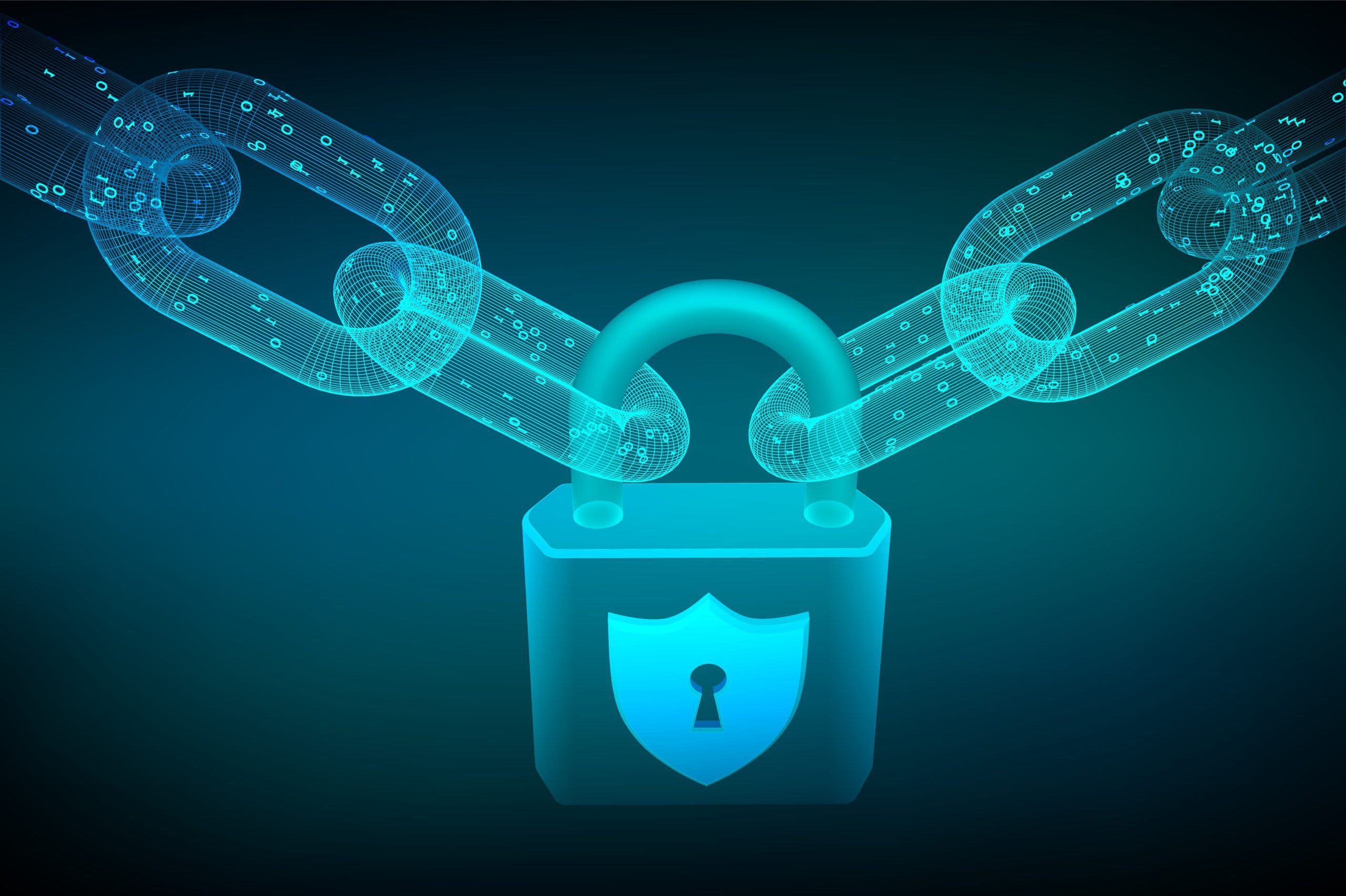
“Trust, but verify” was the signature slogan President Ronald Reagan used when discussing U.S. relations with the Soviet Union during the 80s. And interestingly, it was a phrase he adapted from the Russian proverb “doveryai, no proveryai.” Now, some 35 years later, the phrase has been reimagined into a calling card for the blockchain community. But instead, we say, “don’t be evil, can’t be evil.”
Simple in its form but complex in its meaning, those words highlight the differences between financial transactions of the past and financial transactions of today. That’s because blockchain offers organizations a way to move from a don’t be evil approach to a can’t be evil approach. A don’t be evil approach required financial institutions to both trust and verify. But with a can’t be evil approach, all that’s needed is verification.
Let’s face it; financial infrastructure is prone to misuse. But blockchain offers organizations greater control and security thanks to a built-in audit trail, powerful authentication methodologies and transparency.
Auditability
One of the most powerful features that blockchain offers the payments industry is built-in auditability. When something gets put into a blockchain, it’s what’s called immutable. It cannot be changed, forged or deleted. And that’s extremely important considering that a lot of fraud happens when bad actors simply change financial records. Case in point, the Enron scandal of 2001.
The Enron scandal was proof that people can change financial systems fairly easily. And the end result was the creation of the Sarbanes-Oxley Act, which is the US federal law that mandates certain practices in financial record keeping and reporting for corporations. This in turn created a booming compliance industry, where tons of manpower is put to work to ensure that controls happen and that people don’t change records or put bad data into financial systems and things that public companies report on. It’s a huge industry that all public companies now have to deal with primarily because of one bad actor. In this case, Enron didn’t follow the don’t be evil rule.
What blockchain does, on the immutability side of the house, is create a very clear cryptographically secure, unchangeable audit record. When a piece of information goes in, you know it cannot be changed. And the level of auditability that creates can significantly change security and compliance overhead, where giant bureaucracies are forcing people to do manually what technology can do.
Authentication
The second characteristic that blockchain offers the payments industry is a built-in and powerful method of identification and authentication. A big part of security is being able to confirm that someone is who they say they are. And blockchain has digital authentication protocols built-in that help validate, natively, that people and organizations are who they say they are. Without that, a lot of fraud can happen.
While it is true that banks have manual controls in place, especially for payments over a certain size, this process is prone to either errors or delays, which can lead to fraud.
Additionally, phishing is a major issue for financial institutions and hackers are known to collect personal information such as banking logins, PIN, bank account number, and credit card numbers and use that information to access accounts, make transfers and more.
Transparency
Natively, the blockchain is a far more transparent system, where anyone can validate certain controls and checks and balances. This doesn’t mean that the data or information can be seen. It means that any key actor or set of parties can validate if things are behaving correctly. Oftentimes, when you find security or fraud or compliance problems, they’re usually because things are in black boxes and people exploited what cannot be seen.
Blockchain is a technology that, in some ways, sheds light in dark corners and creates transparency and systems that are opaque. This creates better degrees of security and compliance, and ultimately betters innovation. And don’t be evil, can’t be evil encapsulates the differences between security standards of old and those of today. The old system is one of trust and distrust. But the blockchain model is one where you don’t need to trust, you simply verify.