PaymentsJournal
No Result
View All Result
SIGN UP
  • Commercial
  • Credit
  • Debit
  • Digital Assets & Crypto
  • Digital Banking
  • Emerging Payments
  • Fraud & Security
  • Merchant
  • Prepaid
PaymentsJournal
  • Commercial
  • Credit
  • Debit
  • Digital Assets & Crypto
  • Digital Banking
  • Emerging Payments
  • Fraud & Security
  • Merchant
  • Prepaid
No Result
View All Result
PaymentsJournal
No Result
View All Result

Bracing for Bankruptcy: A Coming Wave to Consider for Bankcard Profitability in 2022?

By Brian Riley
April 19, 2021
in Analysts Coverage, Credit, Economic Recovery
0
0
SHARES
0
VIEWS
Share on FacebookShare on TwitterShare on LinkedIn

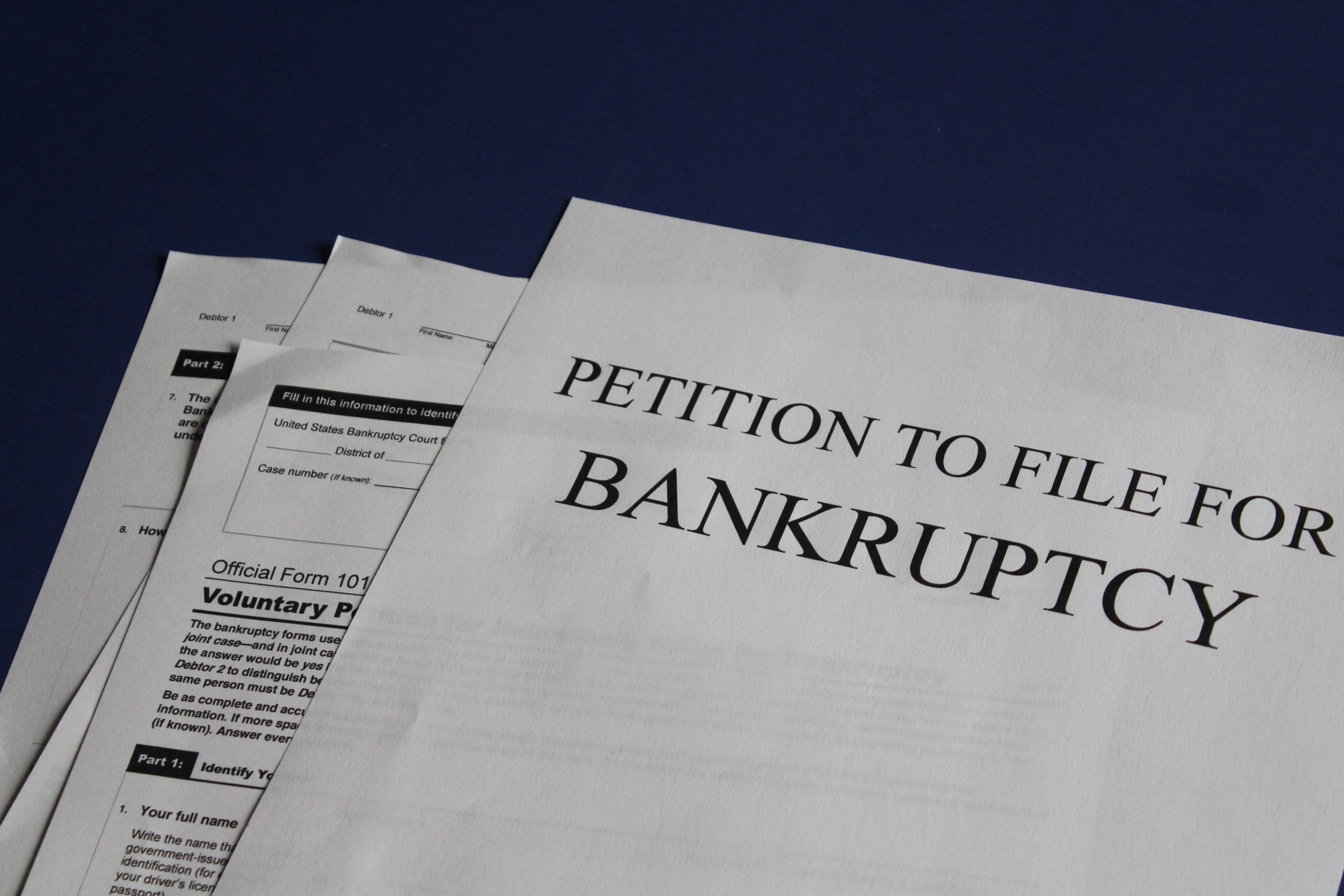
Bankruptcy is a Constitutional right that allows consumers and businesses with an option to re-organize their credit responsibilities.  On the consumer side, there are two options, Chapter 7, which discharges the filer’s debts, and Chapter 13, which allows for a structured payment plan. 

As with many metrics, credit policy-types dealt with during COVID-19, some numbers were counterintuitive: loan losses were down, delinquencies stabilized, while businesses sheltered at home. And according to the WSJ, Bankruptcy filings by consumers under chapter 7 were down 22% last year compared with 2019, while individual filings under chapter 13 fell 46%, according to Epiq data. After holding above 50,000 filings a month in 2019 and the first quarter of 2020, bankruptcy filings have remained below 40,000 a month since last March when the pandemic hit.

While loan losses continue at stable rates, bankruptcy filings start to bubble upwards, as the American Bankruptcy Institute reports. “March Total Bankruptcy Filings Increase 39 Percent from Previous Month.” Now, let us not forget that February has 28 calendar days and March has 31, but the upward trend is notable.  On March 27, ABI commented:

President Joe Biden, on March 27, signed the “COVID-19 Bankruptcy Relief Extension Act” into law to extend provisions providing financially distressed consumers and small businesses greater access to bankruptcy relief. The legislation will extend personal and small business bankruptcy-relief provisions that were part of last year’s CARES Act through March 2022. Some of the critical requirements of last year’s relief packages were the increased debt limit to $7.5 million for small business debtors electing to file under subchapter V and allowing individuals to seek COVID-19–related hardship modifications, among other changes. Click here for more information.

Less than 90 days prior, Senator Elizabeth Warren proposed the Consumer Bankruptcy Reform Act of 2020.  The first two bullets define the objectives of the more compassionate code, suggesting that credit card issuers should brace themselves for increased volumes once the stimulus checks end.

·       Make it easier and less expensive for financially-strapped families and individuals to obtain financial relief by replacing the two separate consumer bankruptcy chapters with a single system available to all consumers, streamlining the filing process, and reducing filing fees.

·       Ensure that filers can care for themselves and their families during the bankruptcy process by helping renters with back rent avoid eviction and continue to make payments, making student loan debt dischargeable in bankruptcy, and allowing people to protect their homes and cars during the bankruptcy process.

The full text of the Consumer Bankruptcy Reform Act of 2020 is here.

Bankruptcy is one of three types of losses incurred by credit card issuers.  The two other types are contractual credit loss, also known as Charge-Off, and Fraud.  Unlike charge-off and fraud, Bankrupt charge-off accelerates bad debt expense as soon as the court sends the issuer a filing notice.  Instead of working towards arrangement as an account contractually ages towards charge-off, or perhaps to forestall fraud by investigating the merchant, consumer, or third party, Bankruptcy Charge-Off is recognized on the day the filing notification arrives.

There are use cases where bankruptcy is appropriate.  Uncontrollable medical bills are often a driver. A failed business is another.

But for credit card issuers, deploying robust account management systems and deploying appropriate account analytics will help mitigate potential bankruptcy loss.  As we approach the mid-year point of 2021, the 2022 budget planning process will soon begin.  Operating lines such as non-interest expense will need to consider the impact of a shift in rising bankruptcy.

Overview Provided by Brian Riley, Director, Credit Advisory Service at Mercator Advisory Group

0
SHARES
0
VIEWS
Share on FacebookShare on TwitterShare on LinkedIn
Tags: bankcardBankruptciesCARES ActCovid-19CreditCredit Card IssuerEconomic Recovery

    Get the Latest News and Insights Delivered Daily

    Subscribe to the PaymentsJournal Newsletter for exclusive insight and data from Javelin Strategy & Research analysts and industry professionals.

    Must Reads

    ai phishing

    The Fraud Epidemic Is Testing the Limits of Cybersecurity

    February 6, 2026
    stablecoins b2b payments

    Stablecoins and the Future of B2B Payments: Faster, Cheaper, Better

    February 5, 2026
    Payment Facilitator

    The Payment Facilitator Model as a Growth Strategy for ISVs

    February 4, 2026
    Simplifying Payment Processing? Payment Orchestration Can Help , multi-acquiring merchants

    Multi-Acquiring Is the New Standard—Are Merchants Ready?

    February 3, 2026
    ACH Network, credit-push fraud, ACH payments growth

    What’s Driving the Rapid Growth in ACH Payments

    February 2, 2026
    chatgpt payments

    How Merchants Should Navigate the Rise of Agentic AI

    January 30, 2026
    fraud passkey

    Why the Future of Financial Fraud Prevention Is Passwordless

    January 29, 2026
    payments AI

    When Can Payments Trust AI?

    January 28, 2026

    Linkedin-in X-twitter
    • Commercial
    • Credit
    • Debit
    • Digital Assets & Crypto
    • Digital Banking
    • Commercial
    • Credit
    • Debit
    • Digital Assets & Crypto
    • Digital Banking
    • Emerging Payments
    • Fraud & Security
    • Merchant
    • Prepaid
    • Emerging Payments
    • Fraud & Security
    • Merchant
    • Prepaid
    • About Us
    • Advertise With Us
    • Sign Up for Our Newsletter
    • About Us
    • Advertise With Us
    • Sign Up for Our Newsletter

    ©2024 PaymentsJournal.com |  Terms of Use | Privacy Policy

    • Commercial Payments
    • Credit
    • Debit
    • Digital Assets & Crypto
    • Emerging Payments
    • Fraud & Security
    • Merchant
    • Prepaid
    No Result
    View All Result