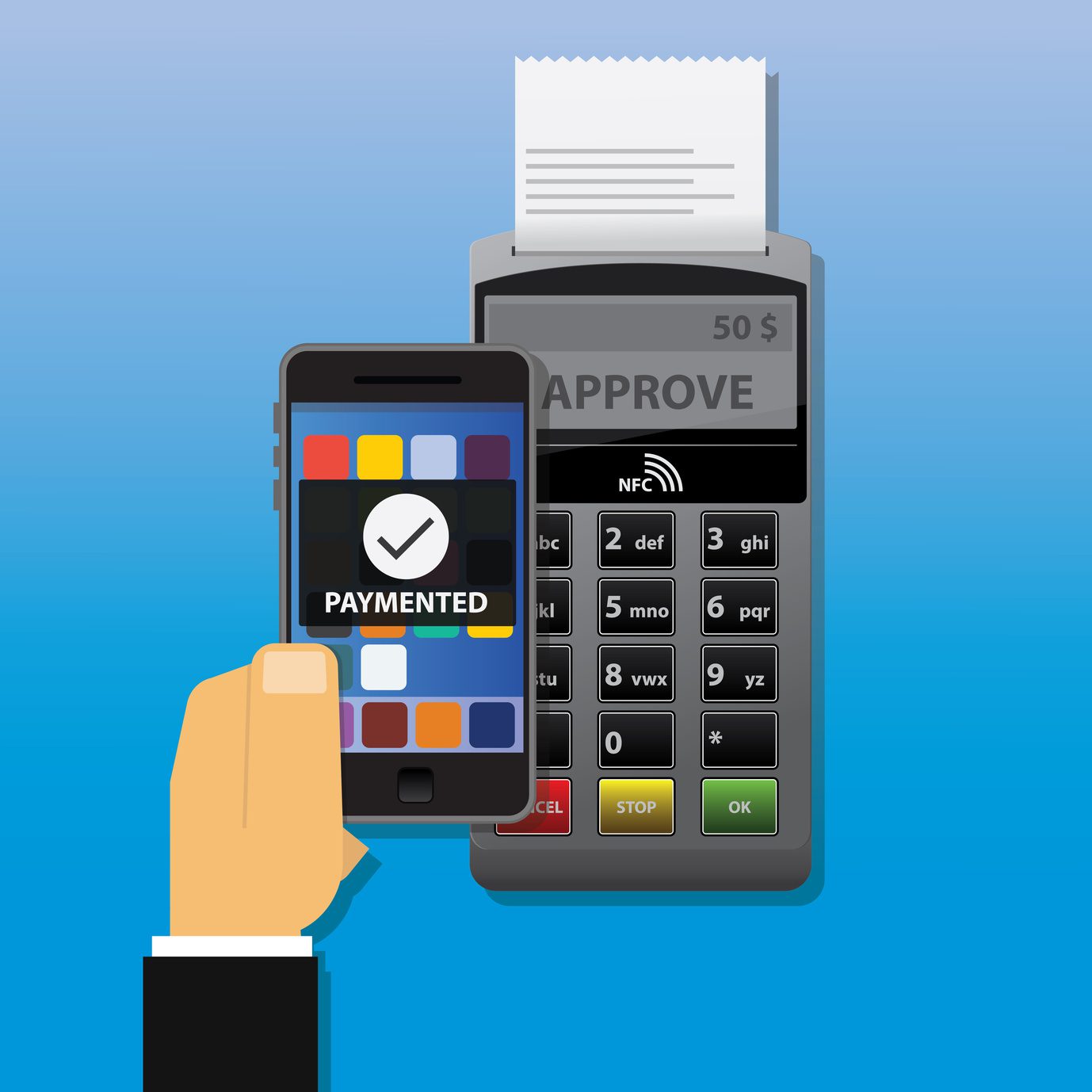
Growing technology is making things easier for businesses every day, but sometimes it pays to do things the traditional way. When it comes to purchase capabilities, merchant processing devices are commonly found in almost every industry, but that doesn’t mean that businesses need to completely forget about other options.
What new business owners should know is that it’s not necessarily best to go “mobile-only” with their customers. Merchant processing experts agree that a combination of a few methods might be the ideal approach for entrepreneurs.
To make a more educated decision, consider the following information that offers insight into what new business owners should know about mobile payments.
They make it easier for businesses on-the-go
When new business owners choose a permanent location for their company, it’s not always necessary to rely strictly on mobile purchasing devices. These tools are most ideal for businesses that tend to travel a lot, where ATM machines are few and set-up needs to be simple.
Businesses that like to hit a lot of different audiences may travel to various flea markets, trade shows and conventions where it’s more practical to offer mobile payment options.
This way, customers can make quick, easy payments right there on the spot and businesses don’t lose out on potential customers who weren’t prepared with cash or cards.
Retail stores benefit from multiple POS systems
Small business owners who have a permanent retail store location may benefit from having multiple point of sale systems (POS). Oftentimes, customers are much more comfortable using a stationary payment system which offers a familiar and trusted way to pay.
If you have a retail store, it’s a good idea to rely on your stationary POS for most transactions, while mobile POS can be used for traveling or as an alternate option when one system goes down.
Moving the paper trail to mobile
One of the newer options with mobile payment systems is to have receipts emailed to buyers and sellers as opposed to printing them out. This is ideal for customers that are more in tune with their email versus the receipts gathering at the bottom of their purse or wallet. For small businesses alike, the paper trail then becomes online, where it can be stored indefinitely. The transaction is never lost.
Having those physical records of all of the purchases and income made in the first few years is important since it’s not always guaranteed that your information is completely safe and secure online. Using a traditional payment filing system is beneficial because you can collect all of your business printing needs and keep track of every dollar.
They may be more affordable
When it comes to running a new business, low costs can be a good thing. What new business owners should know about mobile payments is that they are often much cheaper to purchase than their traditional counterparts.
This is likely because of their size and their short list of capabilities; however, if you’re running a retail store, then you will likely need to invest in a standard system regardless.
The connection isn’t always the best
Depending on where you’re planning to use a mobile payment system, a new business might find themselves in the weeds if they’ve got no service to actually use their POS devices.
Not only is this a great way to lose impatient customers, but that also means that your business is paying for a service that isn’t serving them efficiently. However, with all things wireless and mobile, you’re always going to be taking a chance with losing signals and payments not going through.
Not everyone trusts them
Not every customer utilizes a mobile payment option strictly because they’re not as comfortable with the process. Many still prefer to do all of their banking at their actual bank because online banking doesn’t seem as secure.
Additionally, most people seem to be comfortable using their own bank cards as a means to swipe or tap and don’t see much incentive to switching to a mobile payment.
Some businesses like the Softcard mobile app are encouraging people to go mobile by offering deals. Softcard takes $1 off every purchase with an American Express Serve card, but it’s only good for 50 transactions. Apple Pay makes it easier by working with all major credit card companies and banks.
If you’re thinking about going strictly with mobile payment options, you will definitely want to consider your audience. If you’re selling to younger crowds, like millennials, mobile pay is right up their ally. On the contrary, older audiences would most likely prefer to pay in cash or with a card.
Conclusion
Business owners are constantly having to make smart decisions based on the needs of their company and their customers. For new businesses, every purchase decision is important–from buying office supplies in bulk to the type of POS they utilize.
If you’re thinking about mobile payment options, consider the information provided. While mobile payments are growing in popularity, it will be the type of business you have and the clients you keep that will ultimately make your decision.