PaymentsJournal
No Result
View All Result
SIGN UP
  • Commercial
  • Credit
  • Debit
  • Digital Assets & Crypto
  • Digital Banking
  • Emerging Payments
  • Fraud & Security
  • Merchant
  • Prepaid
PaymentsJournal
  • Commercial
  • Credit
  • Debit
  • Digital Assets & Crypto
  • Digital Banking
  • Emerging Payments
  • Fraud & Security
  • Merchant
  • Prepaid
No Result
View All Result
PaymentsJournal
No Result
View All Result

Federal Reserve Is Monitoring Blockchain Impact on Transactions and Ownership, but Not for SARs?

By Tim Sloane
January 19, 2017
in Analysts Coverage
0
0
SHARES
0
VIEWS
Share on FacebookShare on TwitterShare on LinkedIn
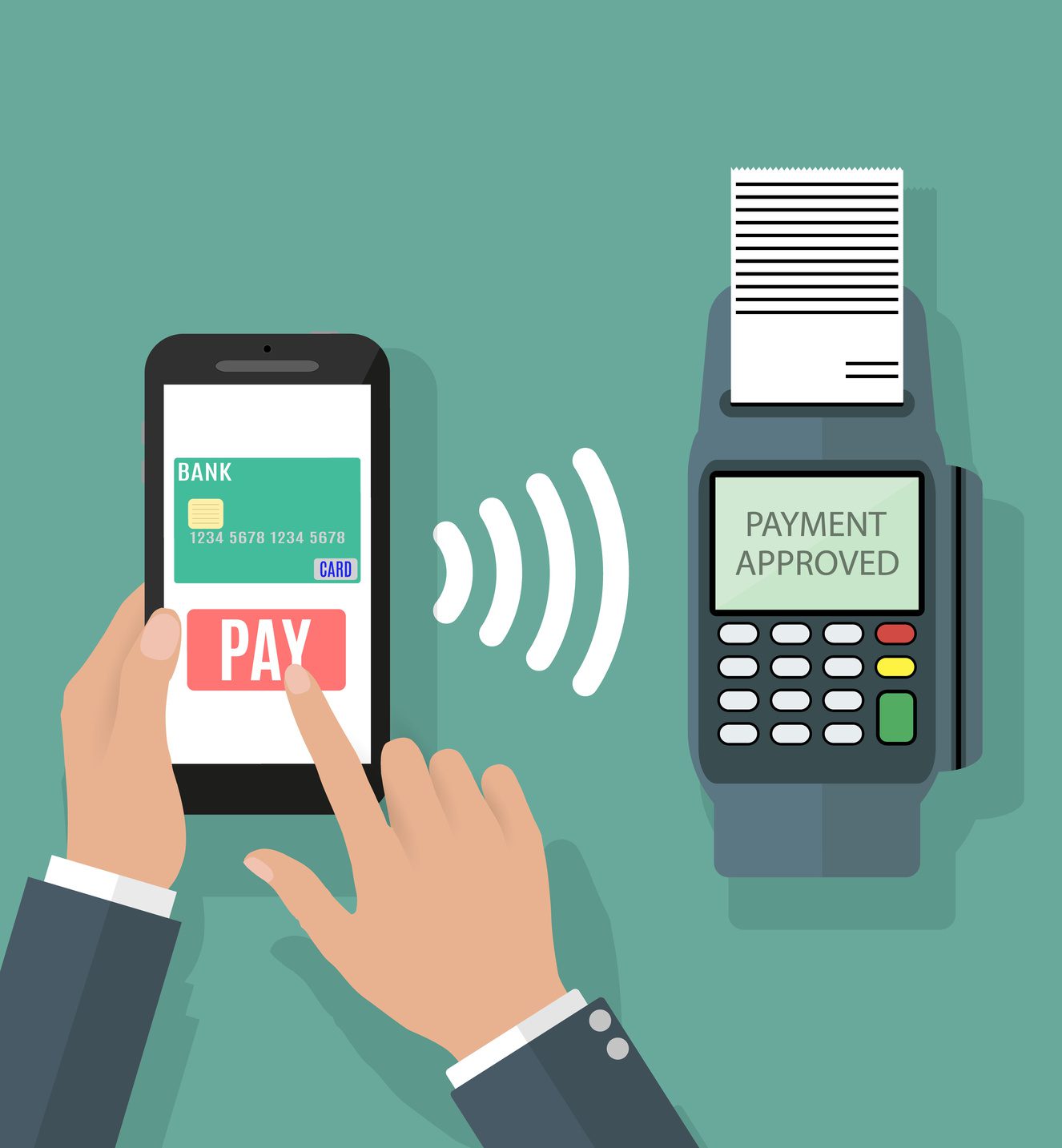
Pos terminal confirms the payment by smartphone. Vector illustration in flat design on green background. nfc payments concept

Pos terminal confirms the payment by smartphone. Vector illustration in flat design on green background. nfc payments concept

The EconoTimes reports that Janet Yellen has the Fed monitoring how blockchain may impact transactional and ownership solutions, yet she does not mention regulatory monitoring:

“Speaking at the Commonwealth Club, San Francisco, California on January 18, Yellen made the remarks during the Q&A round which followed her speech on ‘The Goals of Monetary Policy and How We Pursue Them’.

Yellen said that blockchain is ‘a technology that enables transactions and ownership of things to be taken care of automatically, without a need, for example, for a trusted central party to record transactions. So, it is very important new technology that could have implications for the way in which transactions are handled throughout the financial system.

We’re looking at it in terms of its promise in some of the technologies that we use ourselves and many financial institutions are looking at it. It could make a big difference to the way in which transactions are cleared and settled in the global economy.’ ”

The solution that is most aligned with the strengths and weaknesses of blockchain technology and the solution that would significantly lower the burden on banks is associated with regulatory reporting practices. Every bank must analyze every transaction and report suspicious activity. Instead of creating a SAR and then sending that to the Fed, banks could simply update a blockchain that provides a shared document. Because the Fed could mandate the infrastructure and the format, such a solution could be quickly deployed. Because the records are rarely modified and are primarily read only, the solution nicely avoids known technological limitations of blockchain technology while leveraging the privacy and security aspects.

It would be valuable to blockchain evangelists to evaluate different potential blockchain configurations (nodes at regional Fed offices, at each major bank, at all banks, etc.) and determine how each configuration impacts operational costs compared to today’s solution and how each configuration would redistribute costs across the participants.

Overview by Tim Sloane, VP, Payments Innovation at Mercator Advisory Group

Read the full story here

0
SHARES
0
VIEWS
Share on FacebookShare on TwitterShare on LinkedIn
Tags: Compliance and Regulation

    Get the Latest News and Insights Delivered Daily

    Subscribe to the PaymentsJournal Newsletter for exclusive insight and data from Javelin Strategy & Research analysts and industry professionals.

    Must Reads

    gift card strategy

    The Gift Card Shift: From Convenience to Core Shopping Strategy

    February 18, 2026
    Tina Shirley

    From Cross-Border Payments to Community Banks: The Future of Zelle®

    February 17, 2026
    Startups: Fintechs Data Streaming Technology in Banking, corporates Enriched Data vs Faster Payments

    Fighting Fraud in the Era of Faster Payments

    February 13, 2026
    cross-border payments

    Solving for Fraud in Cross-Border Payments Requires Better Counterparty Verification

    February 12, 2026
    agentic commerce

    Demystifying the Agentic Commerce Enigma

    February 11, 2026
    payment gateways

    How Payment Gateways for Businesses Can Help You Offer Your Customers More Options

    February 10, 2026
    Reserve Bank of India (RBI) Extends Mandate for Tokenization to June '22

    Late Payments? Governments Are Taking Action

    February 9, 2026
    ai phishing

    The Fraud Epidemic Is Testing the Limits of Cybersecurity

    February 6, 2026

    Linkedin-in X-twitter
    • Commercial
    • Credit
    • Debit
    • Digital Assets & Crypto
    • Digital Banking
    • Commercial
    • Credit
    • Debit
    • Digital Assets & Crypto
    • Digital Banking
    • Emerging Payments
    • Fraud & Security
    • Merchant
    • Prepaid
    • Emerging Payments
    • Fraud & Security
    • Merchant
    • Prepaid
    • About Us
    • Advertise With Us
    • Sign Up for Our Newsletter
    • About Us
    • Advertise With Us
    • Sign Up for Our Newsletter

    ©2024 PaymentsJournal.com |  Terms of Use | Privacy Policy

    • Commercial Payments
    • Credit
    • Debit
    • Digital Assets & Crypto
    • Emerging Payments
    • Fraud & Security
    • Merchant
    • Prepaid
    No Result
    View All Result